Why Ignition Cylinders Fail — and Why Queens Drivers Notice It More
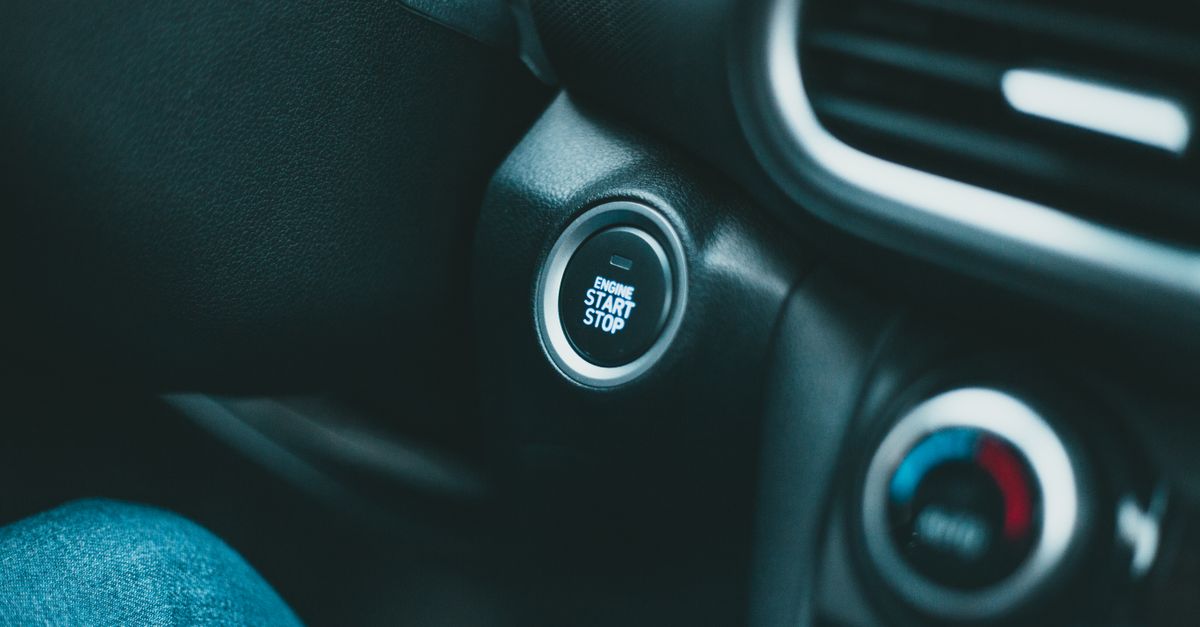
Queens drivers log serious mileage. Stop-and-go on the Van Wyck, repeated cold starts through a New York winter, and the daily ritual of parallel parking and re-starting on dense residential blocks like those in Woodhaven, Richmond Hill, or Ozone Park all accelerate wear on a vehicle's ignition cylinder. The cylinder is a precision mechanical component: it contains a series of spring-loaded wafers or pins that must align perfectly with the cuts on your key before the cylinder rotates. When those wafers wear down, corrode, or break, you start to feel resistance — the key requires extra jiggling, won't reach the 'Start' position, or locks up entirely. At that point the cylinder is telling you it is close to failure, and ignoring the warning typically ends with a trapped key or a car that simply will not start.
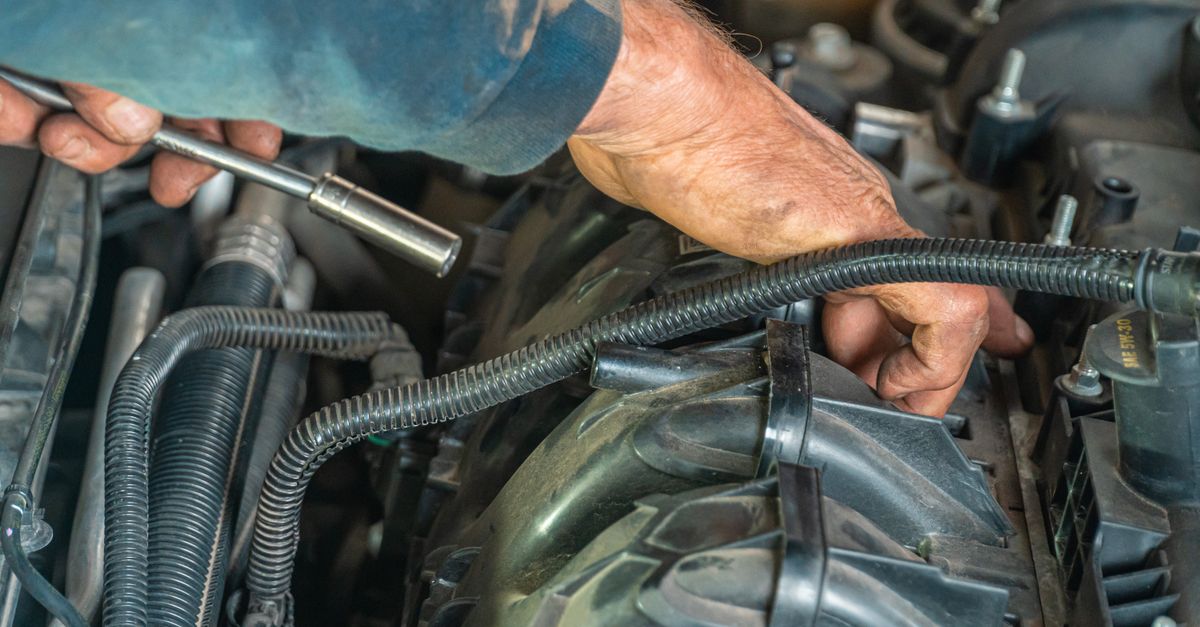
External debris is also a factor many drivers underestimate. Salt, sand, and fine grit work their way into cylinder housings year-round in Queens — especially during winter road treatments along major corridors like Linden Boulevard and Northern Boulevard. A cylinder that feels sticky after a cold snap may have moisture trapped inside that has begun to corrode the internal wafers. Our technicians assess whether a cylinder can be cleaned, lubricated, and adjusted back to safe operation, or whether the wear is advanced enough that a full replacement is the responsible recommendation.