How On-Site Transponder Key Programming Actually Works
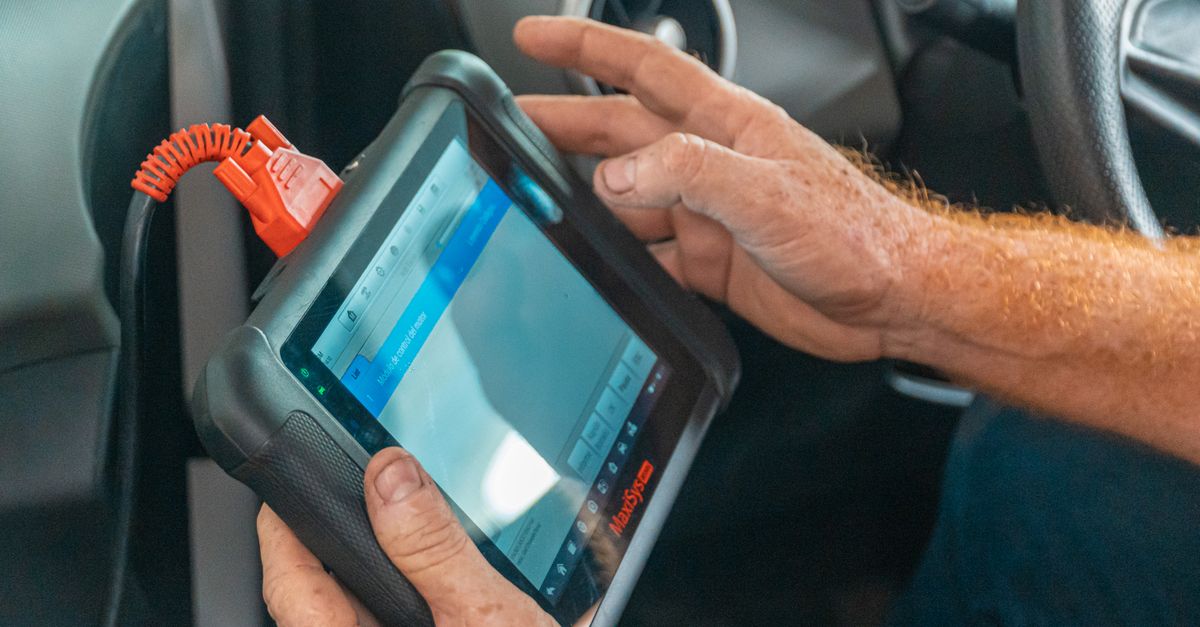
A transponder key contains a passive radio-frequency chip that wakes up when it enters the ignition cylinder. The vehicle's Engine Control Unit broadcasts a challenge signal; the chip responds with the correct rolling code or fixed code, and only then does the immobilizer release the starter circuit. If the chip is damaged, demagnetized, or simply missing because you lost your only key, the car will crank but refuse to fire — or in some systems, will not even turn over. Our technicians carry advanced key-cutting machines and OBD-II compatible programming units that cover a wide range of domestic and import makes, letting us cut the blade to your vehicle's specific lock profile and write the correct transponder data in a single roadside session.
The process is damage-free. We do not need to pull your dashboard apart or disturb your ignition cylinder. After verifying vehicle ownership — a mandatory step we take seriously — the technician reads the existing key data or accesses the vehicle's secure onboard memory to generate a new key identity. For vehicles that allow it, all previously programmed keys can be cleared and re-enrolled at the same visit, which is especially important if a key was lost rather than simply broken. This security step protects you, not just the car.